

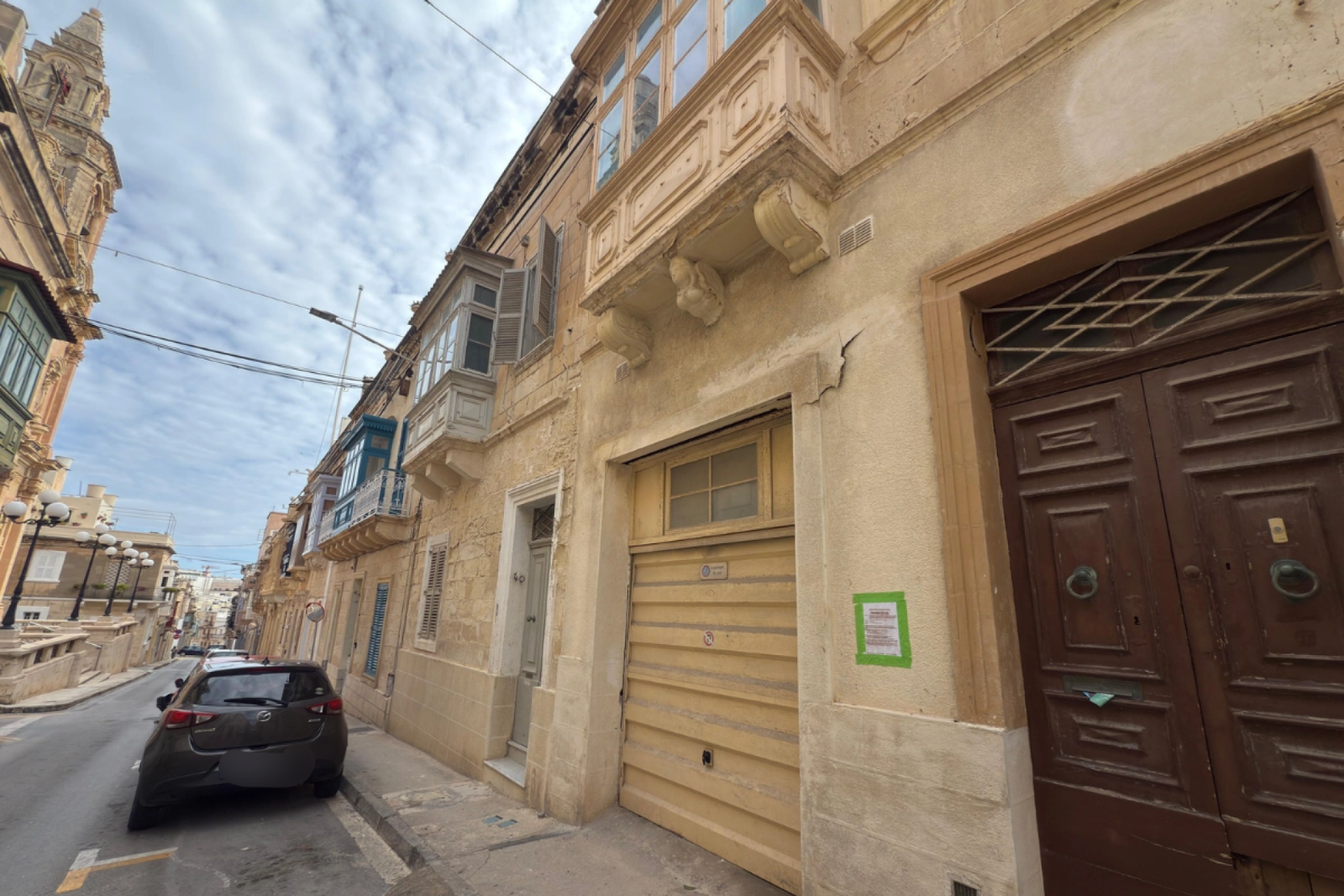
A Sliema church fears that a proposed hotel could spark demands to restrict its bells, in a clash that goes far beyond one building and touches the very identity, sound and soul of one of Malta’s oldest and busiest seaside towns, where church bells have for generations marked the rhythm of daily life, calling the faithful to Mass, announcing feasts, weddings and funerals, sounding the hours through the day and night, and filling narrow limestone streets with a sound that residents, parishioners and visitors have long accepted as part of living in Sliema. The church’s concern is not simply about noise, but about what happens when a new hotel is built so close to its belfry that guests, many of them tourists unfamiliar with Maltese parish life and expecting quiet nights and undisturbed sleep, begin to complain about bells ringing early in the morning, on Sundays, on feast days and through the night, and then pressure builds on the parish, the Archdiocese and the authorities to silence, muffle or restrict a centuries-old tradition in order to protect a commercial investment. Parish leaders argue that the bells were there long before the hotel was ever proposed, that anyone choosing to develop, invest or stay in the immediate vicinity of a parish church in the heart of Sliema should know and accept that bells are an inseparable part of that place, and that it would be profoundly unfair for a new development to arrive and then seek to change the character of the neighbourhood it chose to join. They also fear a dangerous precedent, because if bells are restricted in Sliema to satisfy hotel guests, the same argument could be used elsewhere in Malta, where almost every town and village is centred on a parish church, where feast fireworks, processions, band marches and bell-ringing are not mere noise but living expressions of faith, community and cultural heritage, and where residents have already watched over-development, hotels, guesthouses and short-let apartments transform quiet residential streets into crowded tourist zones. The proposed hotel, in this view, is therefore not just a planning application for rooms, floors and a rooftop pool, but a test of whether Malta will protect its churches, its traditions and its residents’ right to live with the sounds that have shaped their community, or whether commercial pressure will slowly force parishes to whisper where they once rang out, leaving Sliema quieter for visitors but poorer in identity for those who call it home.
Sliema Church Fears Proposed Hotel Could Spark Demands To Restrict Bells
Share on
Related posts

The Lorin Scicluna Sentencing Controversy, Explained
The Lorin Scicluna sentencing controversy, explained, begins with two separate but deeply connected…

Third Of Maltese Fear Budget 2027 Will Leave Country Worse Off, Survey Finds
Around a third of respondents to a recent survey believe Budget 2027 will…

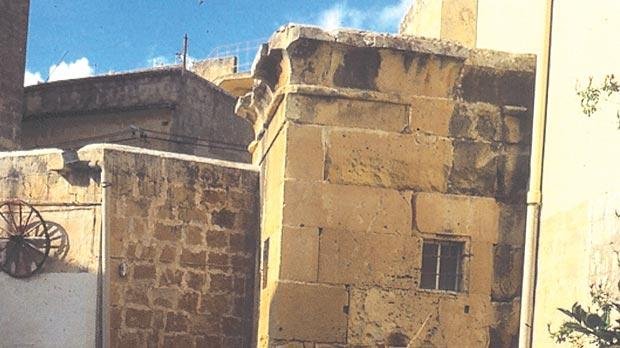
One Of Malta’s Last Surviving Punic Towers To Be Restored
One of Malta’s last surviving Punic towers is to be restored, after an…

Libya Guarantees Lilu King Won’t Be Executed If Extradited
Libya guarantees Lilu King won’t be executed if extradited, after Libya formally guaranteed…
Momentum Calls On Attorney General To Resign
Momentum calls on Attorney General to resign, after Momentum urged Attorney General Victoria…

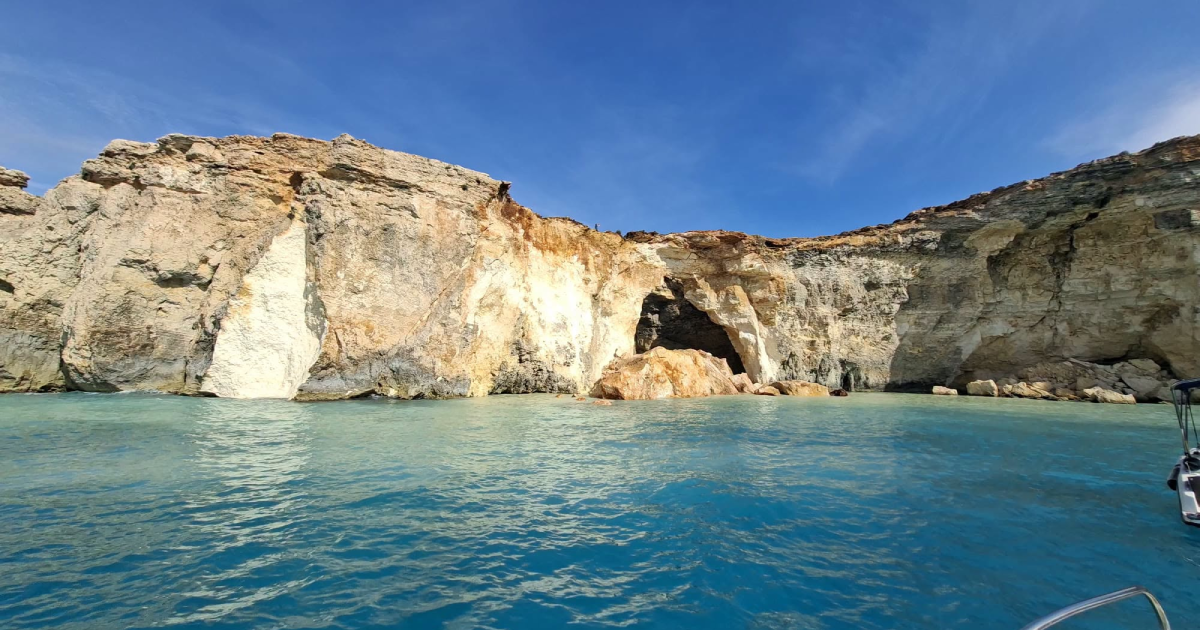
Comino’s Famous Roofless Cave Collapses
Comino’s famous roofless cave collapses, after a large section of Popeye Cave at…





Search
About us

MALTA BULLETIN
Discover Latest News, Hot Topics, Politics and Entertainment News With Malta Bulletin