

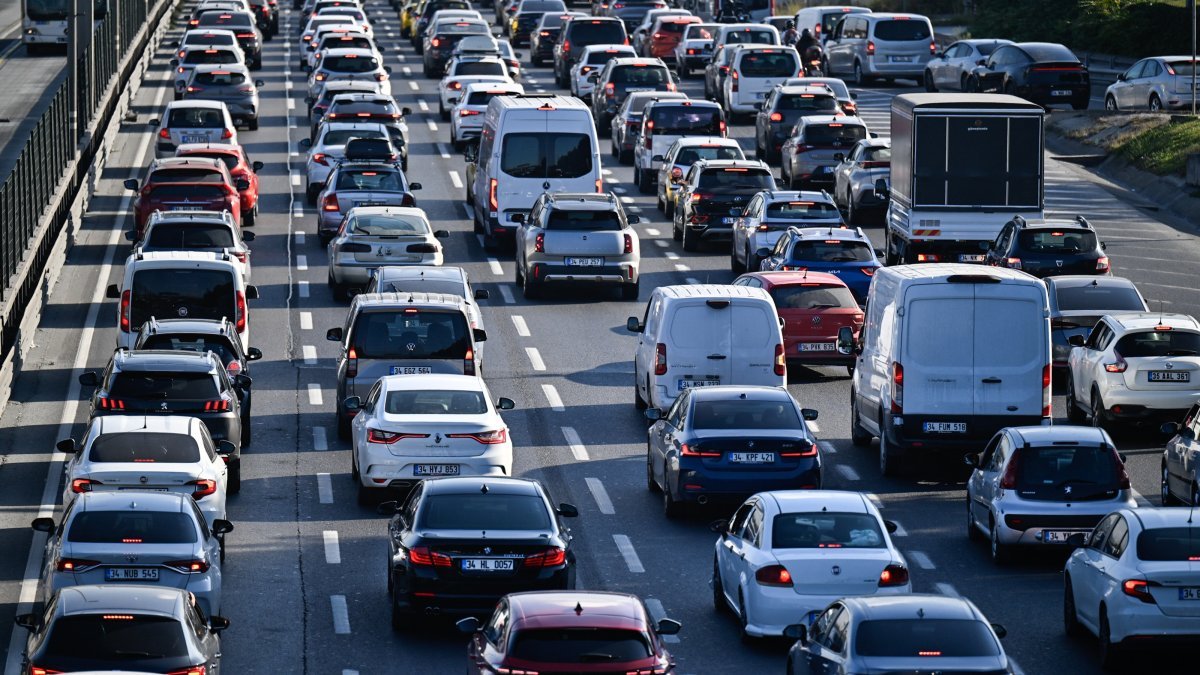
Drivers lost an average of 93 hours to traffic congestion during 2025, highlighting the growing challenge of gridlock and its significant impact on daily life. The figure underscores how traffic delays continue to eat into valuable time that could otherwise be spent at work, with family or on personal activities.
The substantial loss of hours is attributed to increasing vehicle numbers, ongoing roadworks and the concentration of traffic during peak hours, particularly in urban centres and along major arterial routes. The congestion not only causes frustration for motorists but also contributes to higher fuel consumption and increased emissions.
Experts have noted that addressing the issue will require a combination of improved public transport options, better traffic management and long term planning to reduce dependence on private cars. The data serves as a stark reminder of the economic and social costs associated with traffic congestion and the urgent need for sustainable mobility solutions.