
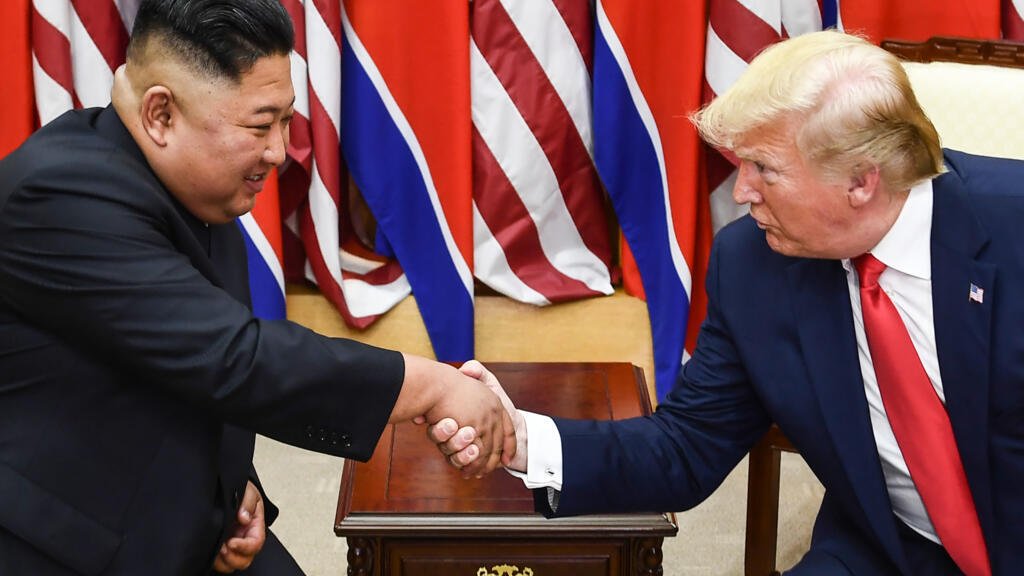
In a surprise announcement made just hours before the exercises were due to begin, Donald Trump said the United States would be scaling back its joint military drills with Seoul.
The timing caught both US and South Korean officials off guard, as troops had already moved into position and weeks of planning had gone into the routine training. Trump framed the decision as a move to reduce regional tensions and to cut costs, calling the large-scale drills expensive and unnecessarily provocative. He argued that pulling back would create more room for diplomatic engagement, particularly with North Korea.
In Seoul, the reaction was immediate. Some officials expressed concern that reducing the exercises at the last minute could undermine readiness and send mixed signals to both allies and adversaries. Others saw it as an opportunity to ease pressure on the peninsula and test whether dialogue could move forward without the backdrop of major military displays.
For decades, the US-South Korea drills have served as a core part of deterrence and alliance coordination. Trimming them down so close to the start date raises questions about how Washington and Seoul will balance security commitments with efforts to pursue diplomacy.
The exercises will still go ahead, but in a reduced form. The announcement shifts the focus to whether a less confrontational approach can lead to real progress, or whether it risks weakening the very partnership meant to keep stability in the region.