
Six years after they were first promised, national guidelines to tackle light pollution are still nowhere to be seen, leaving communities, astronomers, and environmental groups with little to work from.
The guidelines were meant to set clear standards for outdoor lighting, from street lamps and commercial signage to building facades and sports facilities. The goal was to cut unnecessary glare, protect wildlife and human health, and preserve the night sky, while still allowing cities and towns to function safely after dark. But despite repeated calls and draft proposals, no formal policy has been adopted.
In the meantime, the problem has only grown. LED lighting has become cheaper and more widespread, and many new installations are brighter and whiter than before. Without rules in place, councils and developers are left to make their own decisions. The result is a patchwork of overly bright car parks, upward-facing floodlights, and signage that spills light far beyond what is needed.
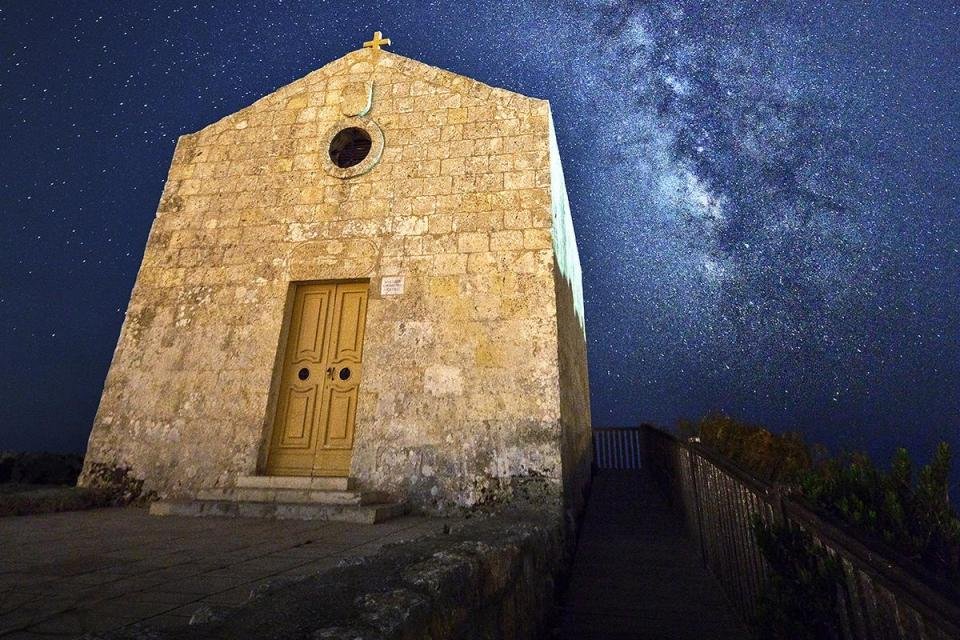
Campaigners say the delay has real consequences. Sea turtles, bats, and migratory birds are disoriented by excessive lighting. Residents report sleep disruption. Amateur astronomers note that even areas once considered dark are now washed out. And energy is wasted lighting the sky instead of the ground.
Officials acknowledge the issue and say work on the guidelines is ongoing, but give no firm timeline for publication. For now, six years on, the framework that was supposed to bring clarity remains stuck in draft form. Until it moves forward, communities will keep dealing with light pollution case by case, without the standards that were meant to guide them.