
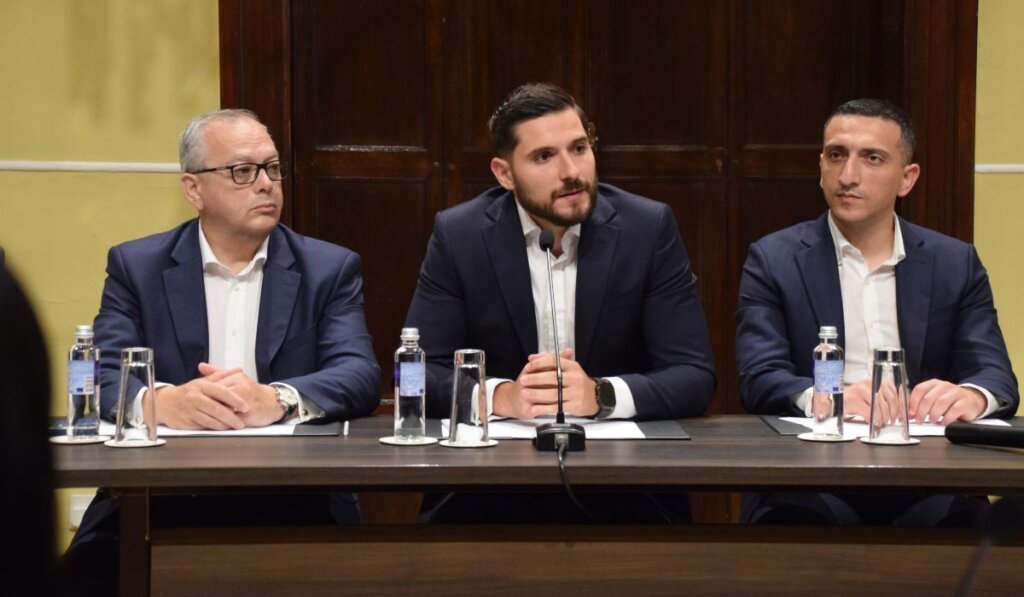
Malta’s current economic model has “reached its limits” and can no longer sustain growth without major structural changes, the president of the Chamber of Commerce told Alex Borg during a recent meeting focused on the country’s long-term direction.
Speaking in a frank exchange, the Chamber president argued that years of reliance on construction, labor-intensive services, and high population growth have created pressures that are now visible across housing, infrastructure, transport, and public services. While acknowledging that the model helped Malta achieve strong GDP growth and low unemployment, he said it is becoming increasingly difficult to manage the side effects without compromising quality of life and competitiveness.
He called for a shift toward a more sustainable, knowledge-based economy that prioritizes productivity, innovation, and higher value-added industries. According to him, Malta needs to move away from growth driven mainly by numbers and instead focus on attracting investment that brings skills, technology, and better-paid jobs, while also easing pressure on land, water, and energy resources.
Alex Borg listened to the concerns and agreed that a national conversation is needed about how Malta grows in the coming decade. He noted that government will have to work closely with business and civil society to identify sectors where Malta can lead, improve regulation, and ensure infrastructure keeps pace with demand.
The Chamber president warned that without reform, businesses will continue to face rising costs, skills shortages, and bottlenecks that could push investment elsewhere. He urged policymakers to act now rather than wait for a crisis, saying that adjusting the economic model is not about slowing down growth, but about making it more balanced and resilient for future generations.