
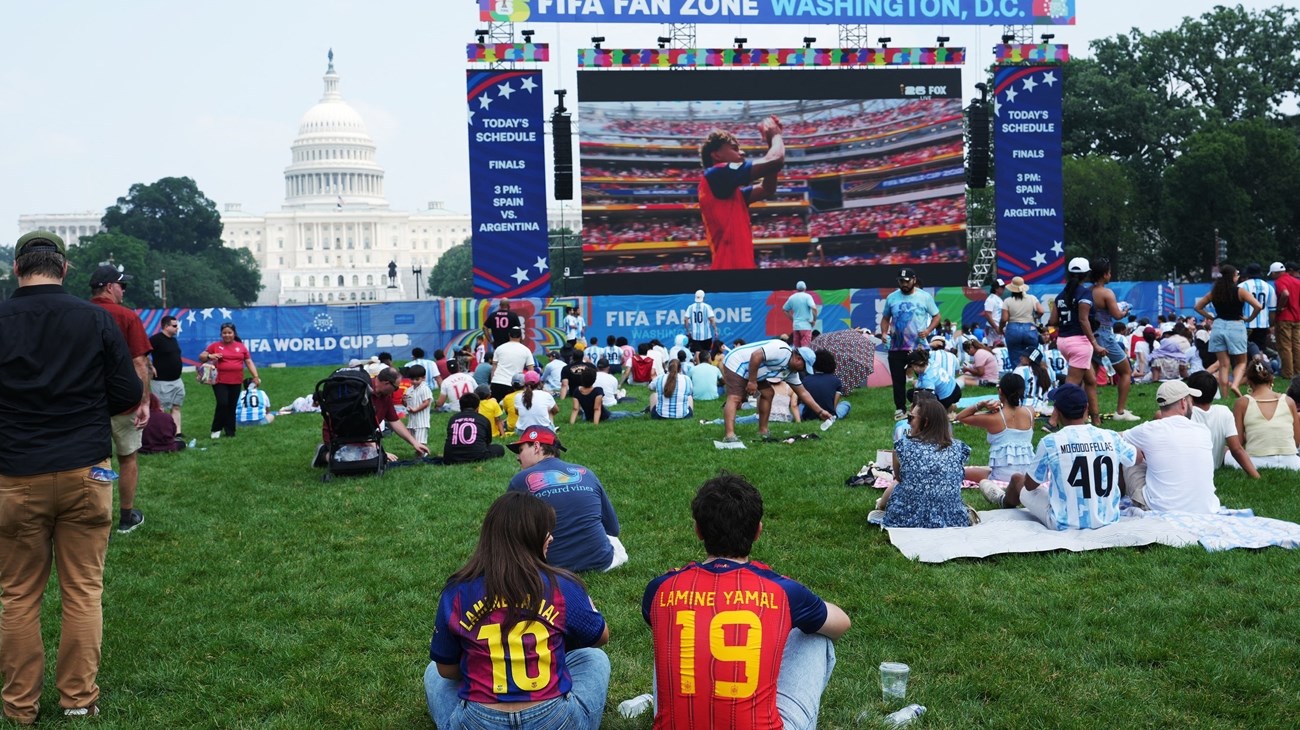
The expanded World Cup format has delivered record-breaking numbers both in stadiums and on screens, with more matches giving fans around the globe more chances to watch and attend. The tournament drew the largest total attendance in its history, as packed venues across host cities saw supporters turn out for group games, knockouts, and everything in between.
On television and streaming platforms, viewership also reached new highs. Broadcasters reported that the additional fixtures created more prime-time slots and regional matchups, which helped pull in audiences that might not have tuned in under the previous schedule. The extra games meant more nations stayed in contention longer, keeping interest high from the opening whistle through to the final.
For FIFA, the numbers validate the decision to grow the competition. More teams and more matches meant more communities could see their country play on the world stage, and that translated directly into bigger crowds and stronger ratings. Organizers also pointed to improved fan experiences and travel access as factors that helped fill seats.
The record-breaking World Cup shows how scaling up the tournament has changed the way people engage with it. With stadiums full and living rooms tuned in, the event reached a wider audience than ever before and set a new benchmark for what a global football championship can look like.