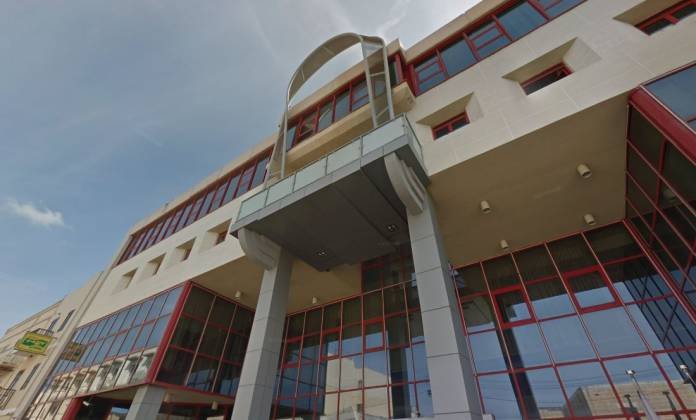

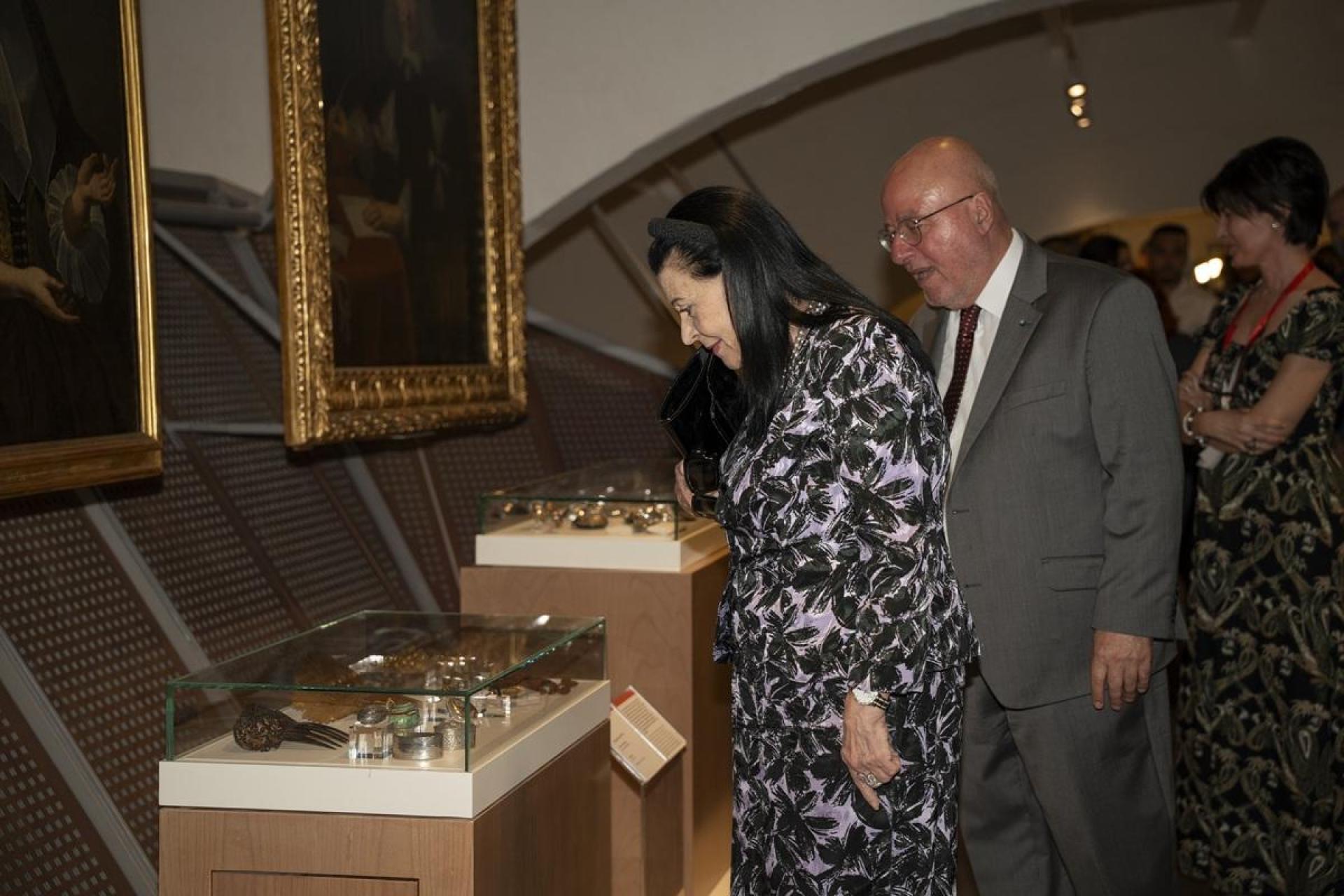
MUŻA, the National Community Art Museum housed in Valletta’s Auberge d’Italie, has unveiled a renewed vision as it embarks on what Heritage Malta describes as a ‘new chapter’ in its evolution as a community-focused cultural institution. The museum is undergoing a significant transformation of its permanent exhibitions, with efforts concentrated on the first-floor gallery to offer visitors a broader and more immersive experience of art in Malta. Heritage Malta is committed to ensuring that the permanent exhibition continues to evolve, preserving and showcasing the contributions of Maltese artists while strengthening MUŻA’s role as an educational hub that tells the story of Malta’s artistic heritage and the influences that have shaped it over time. The restructuring follows a chronological approach, tracing art from prehistoric times to the 21st century, and the collection now features four main narratives which present rich and diverse cultural artworks from different ages.
The renewed vision builds on MUŻA’s founding concept of art plus discussion, where objects and artworks are re-thought and given new meanings within the contemporary context. The name MUŻA itself is an acronym for MUŻew Nazzjonali tal-Arti, the Maltese word for inspiration, and a direct reference to the nine muses of Greek mythology thought to inspire creativity. The museum seeks to become a source of inspiration through an inspiring display of themes and related objects, positioning itself not just as a repository but as a cultural space and container of interactions between publics and objects, participants and narratives. This direction was emphasized by Mario Cutajar, President of Malta Biennale 2026 and Chairman of Heritage Malta, who noted that MUŻA is the home of the Biennale and a living link between generations that makes Heritage Malta’s museums and sites more accessible and active in society. Over the past year MUŻA has updated its permanent exhibition to strengthen the legacy of the Malta Biennale while simultaneously transforming itself to achieve these goals.
The new chapter also reflects MUŻA’s dual backbone of publics and content, grounding its vocation as a national-community art museum in a thorough understanding of how audiences engage with collections that are constantly changing. The museum has radically transformed itself in the last four years with a repositioning of its role as a community-focused institution where audiences and communities actively participate and connect with culture, and through these experiences connect more deeply with each other. Recent initiatives include hosting the Malta Pavilion for Malta Biennale 2026 from March 14 to May 29, 2026, and collaborating with BA Design for Branded Spaces students from London College of Communication to address social and climate issues, using design fiction and storytelling techniques to explore how MUŻA can draw on its collection to inspire critical engagement with environmental change and global warming.
Minister for Culture, Lands and Local Government Owen Bonnici remarked that the Malta Biennale 2026 at MUŻA clearly demonstrates how much Malta is continuing to invest in culture and contemporary art, building on the success of the first Biennale and strengthening the country’s position as a vibrant space for cultural dialogue. With over 130 artists from 43 countries participating in the Biennale, MUŻA’s renewed galleries and community-oriented approach aim to place Malta on the international artistic map while ensuring the museum remains an open institution active in co-creation and participatory experiences that transform publics into participants and inhabitants.