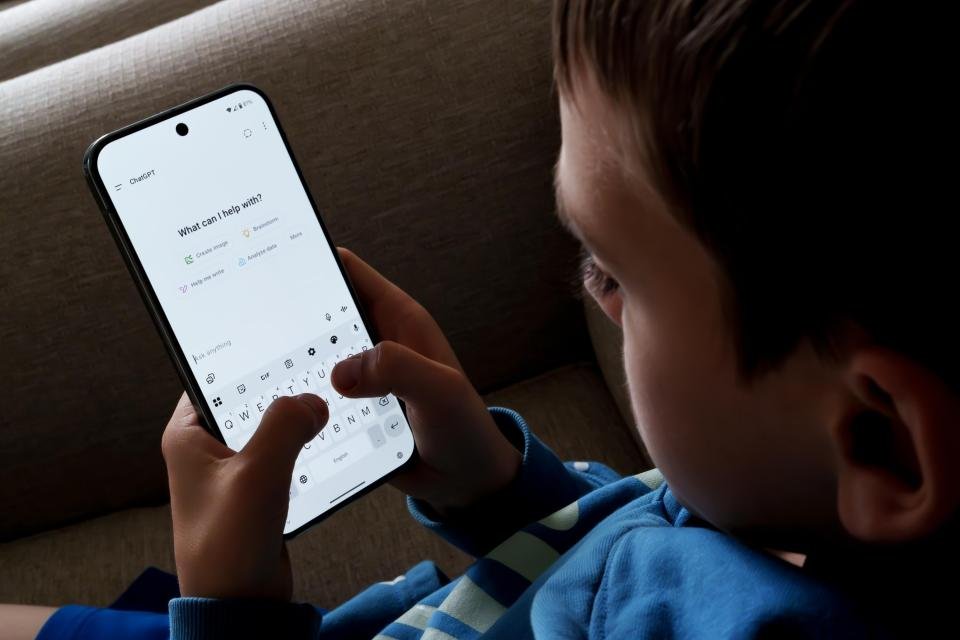

Despite headlines questioning whether ChatGPT is facing its demise, the reality is more complex than a simple rise-and-fall narrative. By late 2025 and into 2026, ChatGPT remains widely used, with OpenAI reporting over 700 million weekly active users by mid-2025 and maintaining a dominant, if shrinking, share of the generative AI market. Yet the environment that made ChatGPT feel inevitable has shifted dramatically. Competition has intensified as users diversify to Claude, Gemini, and DeepSeek, with ChatGPT’s market share dropping from 60% to under 45% as developers and enterprises seek alternatives better suited for coding, cost efficiency, or privacy. The emergence of “Air-Gapped Intelligence” and local AI reflects a growing demand for data sovereignty, with companies in legal and financial sectors moving away from public cloud chatbots to on-premises models to avoid remote attacks and comply with GDPR 2.0 regulations.
Several structural pressures are also reshaping OpenAI’s position. Running large language models requires expensive computing infrastructure, with each query consuming power-hungry GPUs supplied primarily by Nvidia. OpenAI reportedly spends billions annually to maintain services, and while subscriptions and enterprise deals generate revenue, high operating costs mean more users do not always translate into profit. This has led to monetization shifts, including internal testing of ads for the free version of ChatGPT and a planned retirement of older models like GPT-4o from the ChatGPT interface on February 13, 2026, as OpenAI consolidates around GPT-5.2. Additionally, Meta’s new WhatsApp Business API policy will end ChatGPT’s integration with WhatsApp on January 15, 2026, cutting off access for more than 50 million users who chatted with the bot there, while OpenAI is also dropping voice support from its Mac app on the same date to refocus the desktop experience.
Sam Altman himself acknowledges the transition, describing GPT-5.5 as an “autistic genius” and expressing shock at what OpenAI has built, while outlining a future where AI systems move beyond chatbots to become autonomous tools that complete tasks independently in coding, research, and office work. OpenAI’s roadmap for 2026 positions ChatGPT not as a disappearing product but as an evolving “personal super-assistant” that understands goals, remembers context, and proactively helps users get things done. The company is folding ChatGPT, Codex, and its Atlas browser into a single desktop superapp aimed at developers and enterprise users, signaling a strategic pivot from the broad consumer app that first brought generative AI to the mainstream.
The evidence suggests not an ending but a transformation. The ChatGPT of November 2022, a free, simple chat interface that felt magical to 100 million users, is being replaced by a more fragmented, commercialized, and capability-focused platform. Challenges like pricing fatigue, privacy concerns, the QuitGPT protest movement against OpenAI’s corporate direction, and infrastructure costs are forcing adaptation. Users are not abandoning AI; they are demanding better alignment with specific needs, whether that is Claude for coding, DeepSeek for cost and self-hosting, or local models for security. ChatGPT remains central to OpenAI’s plans, but its role is shifting from universal default to one option among many in a maturing AI ecosystem where inference economics, data sovereignty, and specialized workflows now define success.