
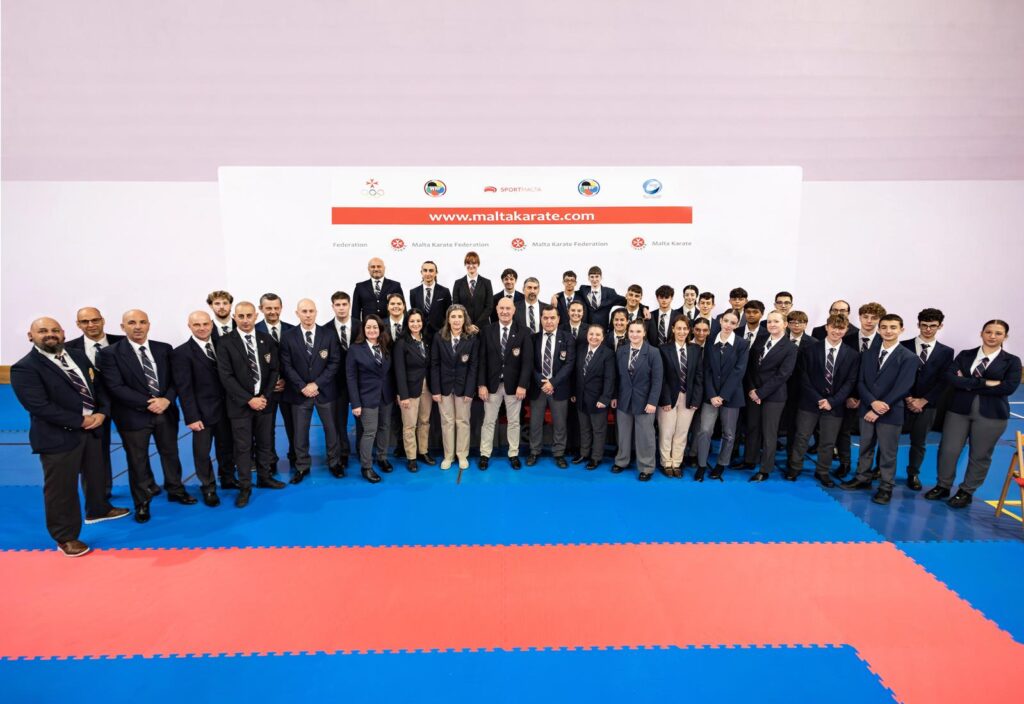
Four decades of karate have transformed the discipline from a niche pursuit led by a handful of pioneers into a structured sport producing national contenders on the international stage. In the early years, a small group of dedicated instructors and students laid the groundwork, training in modest venues with limited resources while introducing the core techniques, kata, and philosophy of karate to a new generation. Those pioneers focused on building technical foundations, instilling discipline, and establishing clubs that would create a pathway for others to learn and compete.
Over time, the sport evolved through formalized coaching, affiliation with international federations, and participation in regional and global competitions. Athletes began training with more scientific approaches, incorporating strength conditioning, sports psychology, and competition strategy alongside traditional practice. This shift helped move local practitioners from recreational participants to serious contenders capable of challenging for medals at major tournaments. The establishment of national championships, grading systems, and youth development programs further strengthened the pipeline, ensuring continuity between experienced seniors and emerging talent.
Today, the legacy of those early pioneers is visible in the depth of competition, the quality of instruction, and the recognition karate has gained within the wider sporting community. The journey across four decades reflects not only technical growth but also a cultural shift in how the martial art is perceived and supported. What began with a few determined individuals has matured into a competitive ecosystem that continues to produce athletes who represent their country with skill and commitment.