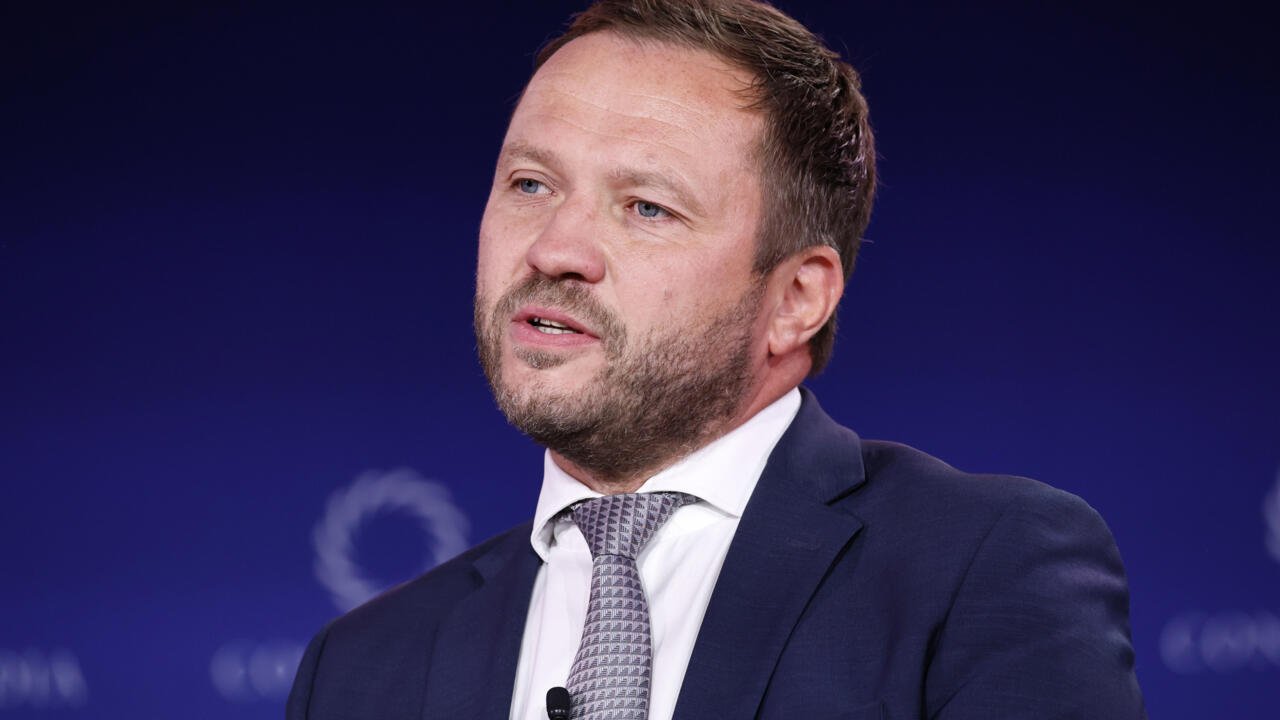


The recent MED5 meeting emphasized that Europe should have control over who enters its borders, reflecting a growing trend among EU nations to assert their sovereignty in migration matters. This stance is part of a broader effort to strengthen the European Union’s migration policy, as outlined in the EU Pact on Migration and Asylum.
The pact aims to create a more robust and fair migration framework, focusing on prevention, returns, and partnerships with third countries. Key aspects include screening processes for irregular arrivals, accelerated asylum procedures, and increased cooperation with countries of origin to prevent irregular migration.
Malta’s Minister Byron Camilleri highlighted the success of his country’s strategy, noting that Malta isn’t currently listed as a state under migratory pressure, thanks to its effective management of irregular migration. The MED5 countries – Malta, Cyprus, Greece, Italy, and Spain – are pushing for a more cohesive and strategic approach to migration, emphasizing solidarity and shared responsibility among EU member states.
However, human rights organizations have expressed concerns that the EU’s migration policies may compromise the rights of asylum seekers and migrants. The EU’s approach balances the need for secure borders with the obligation to protect those seeking refuge, amidst ongoing debates about the best way to manage migration flows.